2026 Best FAU Types for Global Buyers
For global buyers, choosing the right FAU is not simply a matter of comparing airflow ratings. In this guide, FAU refers to a fresh air unit: equipment that brings outdoor air into a building and prepares it for indoor use. The best option depends on the project, climate, occupancy, and available installation space. A compact ceiling-mounted unit may suit a small commercial floor, while a larger modular system may better serve a hotel, school, or industrial facility.
Key differences include filtration levels, heating and cooling options, heat recovery, control systems, and maintenance access. These details matter in daily operation. A filter that is difficult to replace can turn a sensible purchase into a recurring headache. So can a unit sized around ideal conditions rather than actual building use. Not every feature adds value.
This overview compares common FAU types and explains where each may fit. It also highlights practical checks buyers can make before requesting quotations, including airflow needs, local climate, duct layout, noise limits, energy use, and service availability. Specifications should be verified with qualified HVAC professionals and the manufacturer’s current documentation; product names and performance claims can vary between markets. That part is easy to overlook. Global purchasing adds another layer, since voltage, controls, shipping dimensions, and after-sales support may differ by destination. There is no universal winner, and some trade-offs remain even after careful comparison. The goal is a clear, grounded shortlist—not a promise that one FAU will suit every building.
What Is a Fresh Air Unit and How Does It Work?
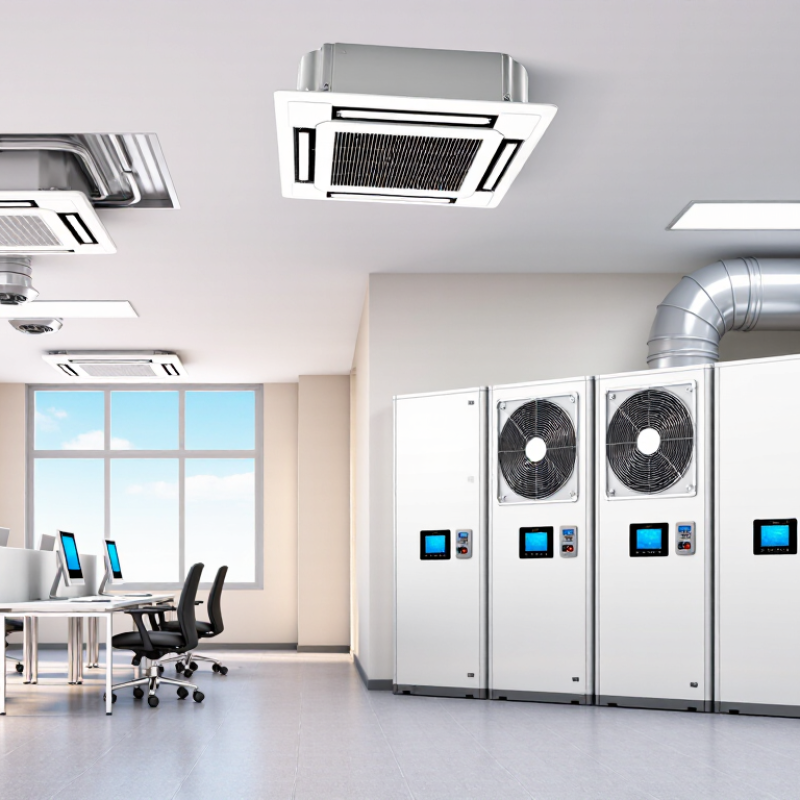
A fresh air unit (FAU) brings outdoor air into a building and prepares it for indoor use. It typically draws air through an intake, then passes it through filters that capture dust and other particles. A fan moves the treated air into ducts or directly into occupied spaces. That is the core. Depending on its design, an FAU may also heat, cool, or control the moisture in incoming air.
The goal is steady ventilation without making rooms uncomfortably hot, cold, or stuffy. Sensors and dampers can adjust airflow as conditions change, while filter checks help maintain performance. Not every unit does. Some systems only filter and supply air; others work with heating or cooling equipment. In real buildings, duct layout and maintenance matter as much as the unit itself. A well-sized FAU can still underperform if airflow is poorly balanced—a detail that is easy to overlook.
Tips: Check the required airflow, filter access, and available service space before choosing a unit. Ask how often filters need inspection under your site conditions. A little uncertainty is normal; actual dust levels and occupancy can change maintenance needs.
How Are FAUs Classified by Air Treatment and Heat Recovery?
2026 Best FAU Types for Global Buyers
Fresh air units (FAUs) can be classified by what they do to incoming air. A basic ventilation unit filters and supplies outdoor air, while a treated-air unit may also cool, heat, or dehumidify it. Some systems add humidity when winter air is dry. Others focus on removing moisture in hot, humid climates. The right setup depends on the building, local weather, and indoor air requirements. A dusty loading area may need stronger filtration; a humid coastal site may need careful condensate control. Small details matter.
A second classification is heat recovery. Plate exchangers transfer heat between exhaust and incoming air without mixing the airstreams. Rotary exchangers can recover heat and, in some designs, moisture. Run-around coil systems use a circulating fluid, making them useful when supply and exhaust ducts are separated. Bypass dampers can reduce recovery when outdoor conditions make it unnecessary. Not always. Efficiency figures alone can mislead: pressure drop, frost risk, cleaning access, and operating schedules affect real performance. A neat classification can still oversimplify actual buildings. Buyers should compare unit layouts and stated operating conditions, then confirm that the selected configuration suits the site.
Which FAU Types Suit Different Buildings and Climates?
Here, FAU means a fresh-air unit that conditions outdoor air before it enters a building. In humid tropical climates, choose a unit with strong dehumidification and a cooling coil sized for latent load. Otherwise, rooms may feel clammy even when the thermostat shows a comfortable temperature. Humidity changes everything. In cold regions, heat-recovery FAUs can reduce heating demand, but frost protection and condensate drainage need careful design. A heat exchanger that suits one climate may not suit another.
For offices, schools, and hotels with steady occupancy, a dedicated outdoor-air system can control ventilation separately from room cooling. Smaller buildings may need a simpler filtered FAU with heating or cooling coils. In dusty or polluted locations, check filter efficiency and available fan pressure; finer filters can raise resistance and energy use. Hot, dry climates may favor cooling with limited moisture removal, while coastal sites need corrosion-resistant materials. Check service access, too. A well-specified unit is less useful if filters sit behind a cramped ceiling panel. Before choosing, compare local design temperatures, humidity, airflow, and maintenance capacity. Catalog ratings alone rarely tell the whole story.
How to Compare FAU Capacity, Filtration, Efficiency, and Controls
A Fresh Air Unit (FAU) should be selected for the air a building needs, not its largest advertised capacity. Estimate occupancy, room use, ceiling height, and outdoor-air demand. A clinic waiting area and a lightly used warehouse need different airflow patterns. Check rated airflow against external static pressure, because long ducts and loaded filters add resistance. A unit that looks adequate on paper may fall short after installation.
Filtration choices should reflect local dust, pollen, and pollution levels. Compare filter grades alongside pressure drop and replacement availability. Fine filtration can improve indoor air, but it may increase fan energy if the system is poorly matched. Ask how filters are accessed and how often they need inspection. Small details matter. A filter that is difficult to reach may be neglected, even in a well-managed building.
Efficiency involves more than a headline rating. Review fan power, heat recovery performance, and operation across expected seasonal conditions. Controls should support practical schedules, airflow adjustment, and clear fault alerts. Demand-based control can help in spaces with changing occupancy, though sensors need sensible placement and calibration. Global buyers should also confirm power compatibility, service access, and spare-part supply in the destination market. I would still question any comparison that relies on one test condition; real buildings rarely behave so neatly.
How Global Buyers Can Choose an FAU for 2026 Projects
For 2026 projects, choose a fresh air unit (FAU) around the building’s actual ventilation demand, not a headline airflow figure. Start with room occupancy, operating hours, and the required outdoor-air rates in the project’s local design brief. A small office with meeting rooms may need stronger demand control than a storage area. Ask the engineer to check peak loads as well as typical use. Guessing from floor area alone can miss busy rooms.
Climate changes the choice. In hot, humid regions, cooling and dehumidification capacity matter; in cold climates, check frost protection and heat recovery performance. Coastal sites may need corrosion-resistant components. Compare filter efficiency against local requirements and expected dust levels, then confirm replacement filters are readily available. Better filtration can increase resistance, so fan selection must account for the complete filter and duct system.
Check the details. Confirm available power, ceiling or plant-room clearance, access-panel space, drainage, and control-system compatibility before ordering. Ask for sound data and commissioning records, not just catalogue specifications. During handover, verify airflow at the terminals and test alarms and control sequences. A polished selection sheet can still overlook maintenance access; measure the service route on site. When comparing proposals, use the same design conditions and operating assumptions, or the apparent energy savings may not be comparable.

 24 Hour Service