
24 Hour ServiceChoosing the 2026 best Small Clothes Dryer is no longer only about saving floor space. Global buyers now compare energy use, drying performance, voltage, ventilation, noise, and after-sales support. A machine that works beautifully in a compact apartment may disappoint in a humid coastal home. Location matters. So does the fabric load.
Maya Chen, an independent laundry-appliance consultant, says, “A small dryer should fit your daily routine, not merely fit beneath a counter.” That practical view guides this comparison. We examine drum capacity, sensor controls, heat-pump efficiency, cycle length, lint handling, and installation needs. We also consider whether replacement filters and service parts are realistically available across markets. A low purchase price can become expensive when support is weak.
Small details matter. A narrow dryer beside a washing machine can simplify laundry day. A clear door helps users check delicate shirts. A quieter motor may matter in a studio apartment. However, advertised capacity can confuse buyers, especially when manufacturers use different testing standards. No model is perfect. Some dryers save energy but require longer cycles. Others finish quickly but produce more heat and noise.
This guide is designed for international shoppers, retailers, and small-home users seeking dependable evidence rather than flashy claims. We compare practical ownership, not only laboratory promises. Regional voltage compatibility should still be confirmed before purchase. That step is easy to overlook. It can prevent an otherwise avoidable buying mistake.
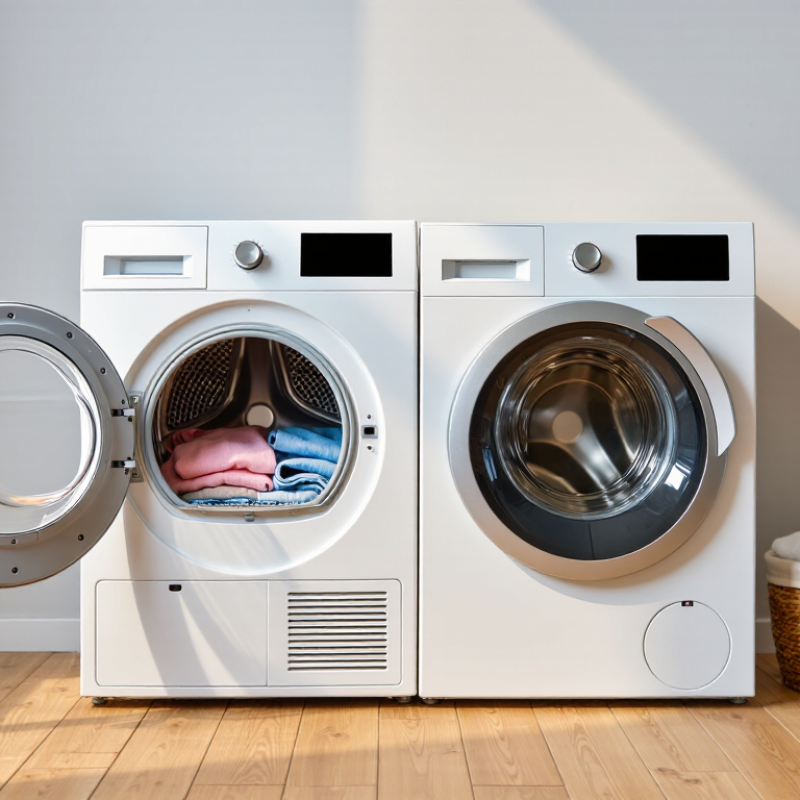
2026 Best Small Clothes Dryer for Global Buyers?
A small clothes dryer is a compact electric appliance designed for limited laundry loads. Unlike full-size models, it uses less floor space and often fits beneath a counter or beside a washing machine. Most models hold about 1.5 to 4 kilograms of clothing. Their smaller drums can reduce drying time for light loads, but thick fabrics may need another cycle. This detail matters.
It suits apartment residents, students, travelers, and families without outdoor drying space. It can also help people living in humid climates, where shirts may remain damp overnight. Buyers should measure the doorway, storage area, and ventilation space before ordering. Check the appliance voltage, plug type, electrical rating, lint filter, overheat protection, warranty, and local service options. These details affect safety and long-term reliability.
A small dryer is not ideal for heavy weekly laundry. A single towel can take more space than expected. Vented models need suitable airflow, while ventless models may require regular water-container emptying. My first assumption was that compact size always meant lower energy use. That is not guaranteed. Actual consumption depends on load weight, fabric moisture, cycle length, and household electricity standards. In practice, the best choice balances capacity, safety, installation limits, and realistic laundry habits.
A small clothes dryer is a compact appliance designed for limited laundry loads, small living spaces, or occasional drying. The specifications below represent typical global market ranges for commonly available small-dryer categories; actual performance varies by model, climate, voltage, fabric type, and installation conditions.
| Dryer Type | Typical Capacity | Typical External Size (W × H × D) | Typical Drying Time | Approx. Power Input | Ventilation / Drainage | Best Suited For | Main Limitation |
|---|---|---|---|---|---|---|---|
| Compact vented dryer | 3.0–4.5 kg (6.6–9.9 lb) | 55–60 × 65–85 × 45–60 cm (22–24 × 26–33 × 18–24 in) | 60–120 minutes | 1,500–2,500 W | Requires a warm-air exhaust hose; usually no drain connection | Apartments, utility rooms, and buyers seeking a lower purchase price | Needs an exhaust route and may add heat and moisture to the room if poorly installed |
| Compact condenser dryer | 3.5–7.0 kg (7.7–15.4 lb) | 55–60 × 65–85 × 50–65 cm (22–24 × 26–33 × 20–26 in) | 90–180 minutes | 1,500–2,200 W | No external exhaust; collected water tank must be emptied or drained | Homes without a suitable exterior vent | Generally uses more electricity and produces more room heat than a heat-pump model |
| Compact heat-pump dryer | 4.0–8.0 kg (8.8–17.6 lb) | 60 × ม65–85 × 55–65 cm (24 × 26–33 × 22–26 in) | 120–240 minutes | 500–1,200 W | No external exhaust; water tank or drain hose | Frequent users focused on energy efficiency and fabric care | Higher initial cost and longer cycles than most vented dryers |
| Portable electric dryer | 2.0–4.0 kg (4.4–8.8 lb) | 45–55 × 55–70 × 40–55 cm (18–22 × 22–28 × 16–22 in) | 90–180 minutes | 800–1,500 W | Usually requires a short exhaust hose; installation varies | Renters, dormitories, RVs, and occasional laundry needs | Small drum, limited controls, and unsuitable for large household loads |
| Ventless drying cabinet | 2.0–5.0 kg (4.4–11.0 lb) | 45–70 × 150–190 × 45–70 cm (18–28 × 59–75 × 18–28 in) | 120–240 minutes | 800–1,500 W | Usually ventless; moisture may be condensed or released according to design | Delicate garments, uniforms, coats, shoes, and homes with limited floor space | Uses vertical space and may dry bulky loads slowly |
| Manual spin dryer | 2.5–6.0 kg (5.5–13.2 lb) wet load | 35–50 × 55–75 × 35–50 cm (14–20 × 22–30 × 14–20 in) | 5–10 minutes per load | No electrical power | No ventilation; removes water by centrifugal spinning only | Travel, camping, emergency laundry, and reducing line-drying time | Does not produce fully dry clothes; garments still require air drying |
Small clothes dryers in 2026 come in several practical forms, each suited to different homes. Compact vented dryers remove warm, damp air through a duct. They usually dry quickly, but require a suitable window or wall outlet. Condenser dryers collect moisture in a tank, so installation is easier. However, the tank needs frequent emptying.
Heat-pump dryers reuse warm air and generally consume less electricity. They operate at lower temperatures, which can protect delicate fabrics and reduce shrinking. Drying may take longer. That trade-off is easy to underestimate. Portable electric dryers are lighter and useful for apartments, dormitories, and temporary housing. Their smaller drums often handle only a few shirts, towels, or undergarments at once.
Spin dryers are another option. They extract water mechanically instead of fully drying clothes. Laundry then finishes on a rack or near moving air. This method uses little electricity, but it cannot deliver cupboard-dry results alone. Washer-dryer combination units save floor space and suit very small bathrooms. Yet one drum must wash and dry, so a full cycle can take several hours.
Buyers should check voltage, plug standards, drum capacity, noise, filter access, and local ventilation rules. A 3-kilogram dryer may suit one person but frustrate a family. Measure the doorway too. Compact does not always mean easy to move. In real use, energy labels help, but drying performance also depends on spin speed and fabric load. Oversized loads often leave damp corners.
For global buyers, a small dryer should fit both the room and the household routine. Measure depth, door clearance, vent space, and electrical requirements before comparing features. A compact cabinet may hold six kilograms, but usable capacity can feel smaller with towels or thick cotton. I prefer testing with a mixed load, including shirts, socks, and one damp towel. This reveals uneven drying better than a stated maximum.
Energy use deserves a practical calculation. Check the rated kilowatt-hours per cycle, then estimate weekly cycles and local electricity prices. Sensor-controlled programs can stop earlier when clothes reach the target dryness. Timed programs may continue heating after lightweight items are already dry. That wastes power and can stress fabric. Heat-pump designs often use less energy, though their cycles may take longer. Faster is not always better.
Performance also depends on airflow, filter access, noise, and temperature control. A clear lint filter should be easy to remove with one hand. Listen during a full cycle, not an empty demonstration. Small spaces make vibration surprisingly annoying. My first comparison focused too heavily on capacity. That was a mistake. A larger drum may perform poorly when airflow is restricted. Check safety certifications, voltage compatibility, service information, and warranty terms for your market. Ratings can help, but real household loads remain the harder test.
Choosing the best small clothes dryer in 2026 starts with the home, not the product label. In apartments, a ventless design avoids drilling through walls. Condensation models need a removable water tank or nearby drain. Heat-pump models usually cost more, but they dry at lower temperatures and protect delicate fabrics better.
Energy use matters across regions. ENERGY STAR’s current guidance reports that certified heat-pump dryers use at least 28% less energy than standard dryers. The International Energy Agency also identifies household appliances as an important efficiency opportunity worldwide. Still, laboratory savings can differ from real homes. A half-full drum, blocked filter, or humid room may change results.
Check electrical compatibility carefully. Homes may use 100–120 volts or 220–240 volts, with 50 or 60 hertz frequencies. A dryer should match local requirements directly. Adapters are not a clever solution for high-power appliances. For narrow homes, measure doorways, ventilation gaps, and the space above the machine. A 3–5 kilogram capacity suits one or two people, while families may need more. Look for clear controls, a moisture sensor, quiet operation, and an accessible lint filter. Service access matters too. It is often overlooked. A compact dryer can be efficient, yet frustrating if replacement parts are unavailable locally.
Recommended nominal dryer capacity by household size and home type
Compact homes usually benefit from a 3–5 kg dryer, while households of three to four people generally need 6–8 kg. Larger households may require 8–10 kg, but buyers should also check available floor space, ventilation, voltage compatibility, noise level, and energy consumption before choosing a model.
Choosing the best small clothes dryer starts with your real laundry habits, not its advertised capacity. A compact unit suits one or two people, small apartments, and occasional loads. Measure the floor space, door clearance, and ventilation route first. A machine that fits a 50-centimeter corner may still need extra rear clearance. The U.S. Department of Energy notes that clothes dryers commonly draw about 3,000 watts, so check voltage, frequency, and circuit requirements before importing one.
Energy use deserves careful attention. ENERGY STAR reports that certified dryers use about 20% less energy than conventional models, although certification rules vary by market. Sensor drying can stop a cycle when fabrics are dry, reducing overheating and wasted electricity. Ventless condenser models simplify installation, but they may run longer and warm a small room. That trade-off matters.
Small loads work best. Choose a drum size that matches your weekly washing, rather than buying the largest model available. Check lint-filter access, moisture control, noise ratings, and replacement-part support.
For delicate clothing, adjustable temperature and timed cycles are useful. I would also compare drying time using cotton towels, not showroom claims.
A compact dryer may advertise fast performance, yet thick towels can expose its limits. The European Commission’s appliance research also shows that annual energy consumption depends heavily on use patterns, not only the appliance label. My choice could still be wrong if I ignore local humidity, room temperature, or service availability.