2026 Best Automatic Weigh Price Labelling Machines?
Choosing the best Automatic Weigh-Price Labelling Machines in 2026 requires more than comparing speed or purchase price. Retailers need accurate weighing, clear labels, stable software, and dependable service. A machine may process 90 packs per minute, yet poor calibration can create errors, delays, and customer complaints.
Simon King, a packaging automation consultant with experience in weighing and labelling systems, says, “The best machine is not the fastest one; it is the one that stays accurate during a demanding production day.”
That point deserves attention. Real production includes wet trays, uneven products, changing pack sizes, and operators working under pressure. A strong system should manage these details without constant manual correction. It should also connect smoothly with scales, label printers, product databases, and retail communication systems.
The comparison must remain practical. Check weighing precision, label placement, data integration, cleaning access, changeover time, and technical support. A stainless-steel frame is useful, but it does not guarantee reliable performance. Software matters just as much.
Small details matter.
For example, a short changeover can save several minutes per product group. Across one shift, those minutes become measurable capacity. However, published speed figures may reflect ideal conditions. That is where buyers should remain cautious.
This 2026 guide examines leading Automatic Weigh-Price Labelling Machines through performance, usability, hygiene, flexibility, and long-term operating value. It will not assume that the most expensive model is automatically the best choice. Every facility has different products, staffing levels, floor space, and production targets. The final decision should follow tested evidence, not attractive specifications alone.
What Is an Automatic Weigh Price Labelling Machine?
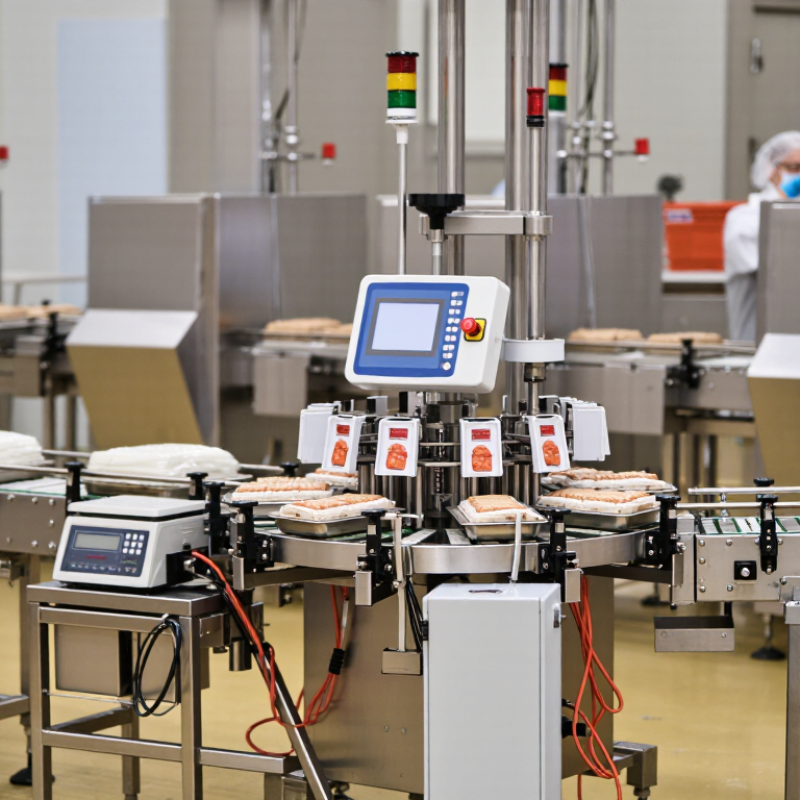
An automatic weigh price labelling machine combines a weighing scale, product conveyor, computer, and label printer in one workflow. It weighs each item, calculates its price from the stored unit rate, and prints a label with key information. The label may show weight, price, date, product code, and traceability details.
In a real packing area, an operator places a tray on the infeed belt. Sensors guide it across the scale, while software records the measured weight. A printer then produces a label, and an applicator attaches it to the tray surface.
The process reduces repetitive entry and helps maintain consistent pricing. It also creates useful production records for checking batches and investigating errors.
Accuracy still depends on daily practice. The scale needs routine verification, a clean surface, and stable installation. Air movement, vibration, wet trays, or poorly positioned products can affect results.
Small details matter. Staff should inspect sample labels during each shift and confirm the correct product settings before production begins.
A machine can work quickly, but it cannot recognize every human mistake. This is where experience remains important.
Even reliable equipment may need adjustment after maintenance, software changes, or a change in packaging materials. A thoughtful team treats automation as support, not a replacement for judgment.
How Automatic Weighing, Pricing, and Labelling Work
Automatic weigh price labelling machines combine three tasks in one controlled workflow: weighing, pricing, and label application. A product enters the weighing area, where load cells measure its weight. The controller then matches the item with stored product data, such as price per kilogram, item code, and shelf-life details. It calculates the final selling price and sends the information to a label printer or applicator.
In daily operation, accuracy depends on more than the machine itself. The scale should stand on a stable, level surface, away from vibration and strong air movement. Operators must keep the weighing platform clean, because small scraps can affect results. Product settings also need regular checking. A wrong price or code can create an expensive mistake. No system is perfect. Moisture, uneven packaging, or rushed maintenance may still cause errors. Routine calibration and documented checks improve reliability and support responsible retail practices.
Tips: Test several product sizes before full production. Watch the label position, print clarity, and weighing speed. Check the displayed price against the stored data. Keep a simple inspection record. It is easy to trust automation too much. Human review still matters, especially after software updates or product changes. Choose settings that follow applicable local labelling requirements and match your actual workflow, not an idealized one.
Key Features to Compare in 2026 Models
2026 Best Automatic Weigh Price Labelling Machines?
When comparing 2026 models, start with weighing accuracy, label speed, and product range. A reliable machine should handle changing weights without unstable readings. Look for legal-for-trade certification, sealed load cells, and automatic zero tracking. These details matter during long production shifts.
Check the touchscreen interface carefully. Operators should adjust prices, label formats, and product codes within a few steps. A 12-inch display may improve visibility, but larger screens are not always better. Review print resolution, adhesive compatibility, and label placement accuracy. A strong model should process wet packages, uneven trays, and different package heights. Ask for test samples using your own products. Demonstrations can hide practical problems. I have seen fast machines struggle with sticky film and narrow labels. That weakness is easy to miss.
Tips: Compare real operating data, not only advertised speed. Test calibration after temperature changes and repeated cleaning. Confirm spare-part availability, software updates, and training support. Measure noise near the operator station. Also check whether the machine records weight, price, and label errors securely. Choose a frame that allows quick sanitation and simple access to the printer. Remember, the cheapest option may create higher maintenance costs. Yet the most expensive model may include features your line never uses. Performance should fit your workflow, staff skills, and daily output.
2026 Best Automatic Weigh Price Labelling Machines: Key Features to Compare
The chart compares typical rated throughput ranges for automatic weigh-price labelling machine configurations commonly used in retail, food processing, and industrial packing. Higher-speed systems generally require stronger conveyors, faster print engines, and more advanced product handling.
Additional Features to Compare
| Feature | Typical 2026 Specification Range | Why It Matters |
| Weighing accuracy | Approximately ±1–5 g, depending on product and legal-for-trade requirements | Affects compliance, giveaway control, and pricing accuracy |
| Print resolution | Usually 203 or 300 dpi | Determines barcode, text, and nutritional-label clarity |
| Label roll capacity | Typically 200–300 mm maximum roll diameter | Larger rolls reduce replacement frequency during production |
| Washdown protection | Commonly IP54–IP69K, depending on the machine zone | Important for meat, seafood, dairy, and wet-cleaning environments |
| Connectivity | Ethernet, USB, digital I/O, and production-system integration | Supports recipe management, traceability, and production reporting |
The throughput figures represent typical equipment-rating ranges rather than guaranteed production output. Actual results depend on product dimensions, spacing, target weight, label format, conveyor setup, and applicable weighing regulations.
Best Applications Across Retail and Food Businesses
2026 Best Automatic Weigh Price Labelling Machines: Best Applications Across Retail and Food Businesses
Automatic weigh price labelling machines fit businesses selling products by weight. Their strongest use appears in fresh food departments. A staff member places sliced cheese, seafood, meat, or produce on the scale. The system calculates weight, price, and unit cost. It then prints a label with product details, date, and traceability information.
Retailers can apply these machines at service counters, self-service stations, and back-room packing areas. In a small grocery store, one operator can label prepared salads while another serves customers. In a larger store, connected scales can update prices when promotions change. The process reduces handwritten errors, although incorrect product codes still create costly mistakes.
Food processors also use weigh-price labelling for trays, takeaway meals, and portion-controlled products. Clear labels support stock rotation and help employees identify short shelf-life items. The UNEP Food Waste Index Report 2024 estimated that 1.05 billion tonnes of food were wasted in 2022. Retail accounted for 12% of that total. Better portion control and faster markdowns may reduce avoidable waste, but machines cannot solve poor forecasting alone.
Food businesses should verify label content against local requirements and recognized guidance, including the FDA Food Code and USDA food labelling resources where applicable. Useful features include stainless-steel construction, washable keypads, programmable allergens, and connection with inventory software. Speed matters. So does cleaning. A fast machine that is difficult to sanitize may become a weak investment.

 24 Hour Service